 TICKETS
 DONATE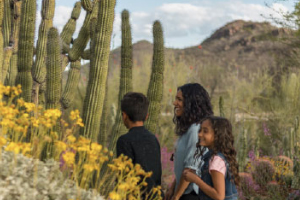

Spadefoot Splash
A New Streamside Play Experience for Our Littlest Learners
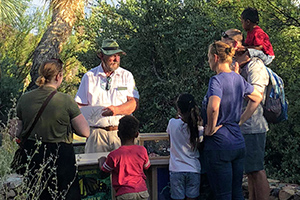
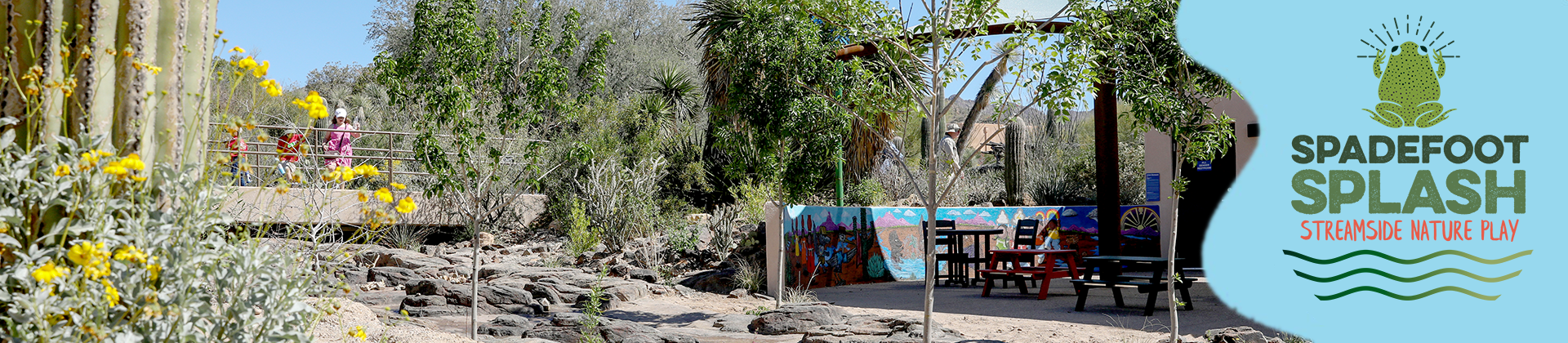
Our newest exhibit highlights that water is life! Learn about some of our ongoing conservation projects, with an emphasis on learning through play for guests zero to five years old. You may get a little wet but not soaked. We’ve packed a ton of fun into this exhibit, along with more resources for our visitors, like:
 Streamside play zone
  Nature loop trail with interactive areas
  Conservation station
  Art and Mindfulness Elements
 Three all-gender, single-use restrooms
 Shaded rest area with movable seating
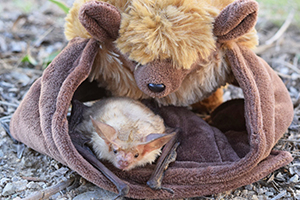
  Threatened and endangered species on exhibit
  Water recycling
- Rainwater catchment systems irrigate surrounding plants
- Water used in the stream is recycled for plant irrigation

Did you know?
All species housed in this exhibit are endangered or threatened: Couch's Spadefoot toad, Gila chub, Mexican gartersnake, and Huachuca water-umbel.
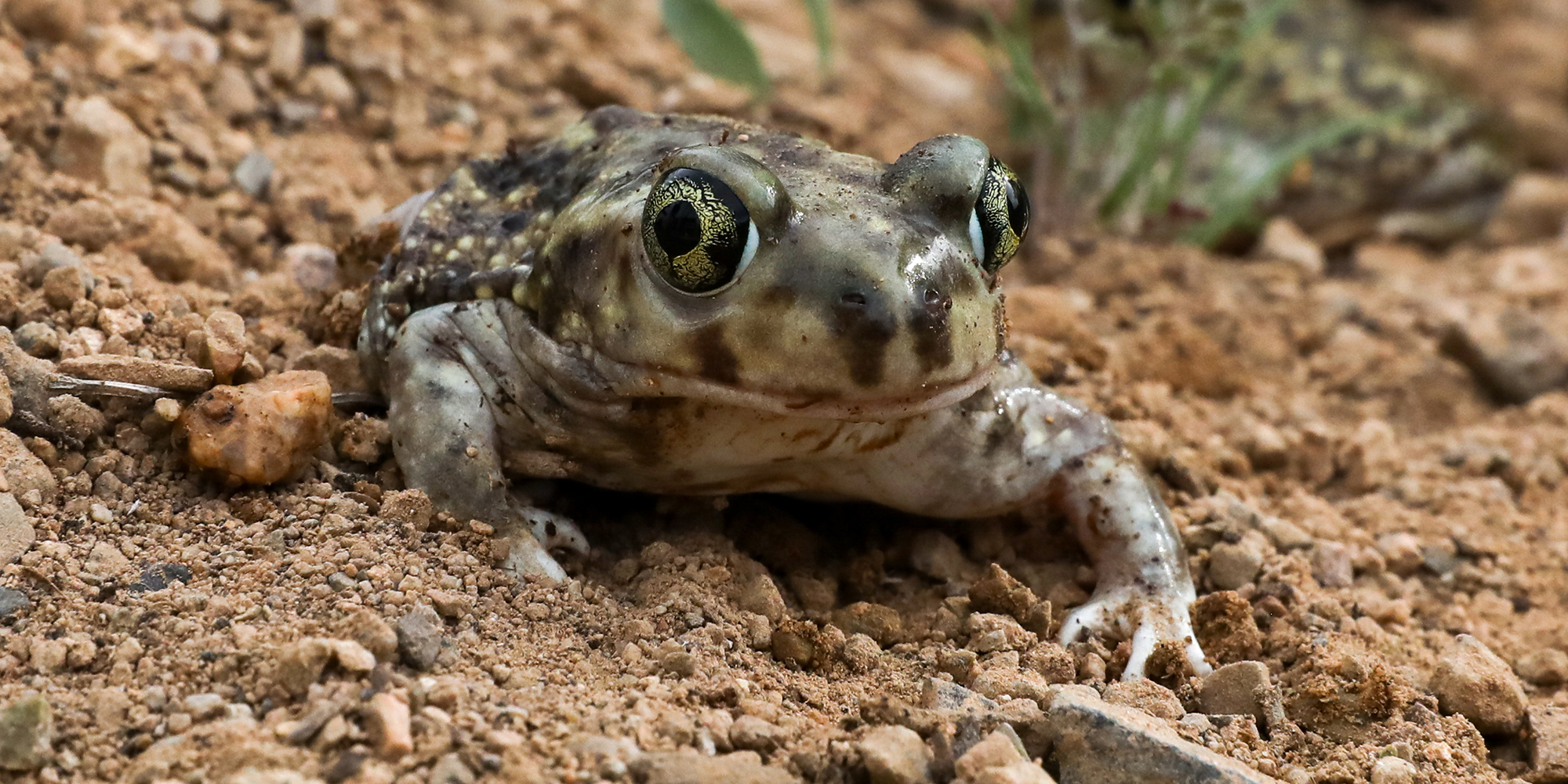
Couch's Spadefoot Toad
|
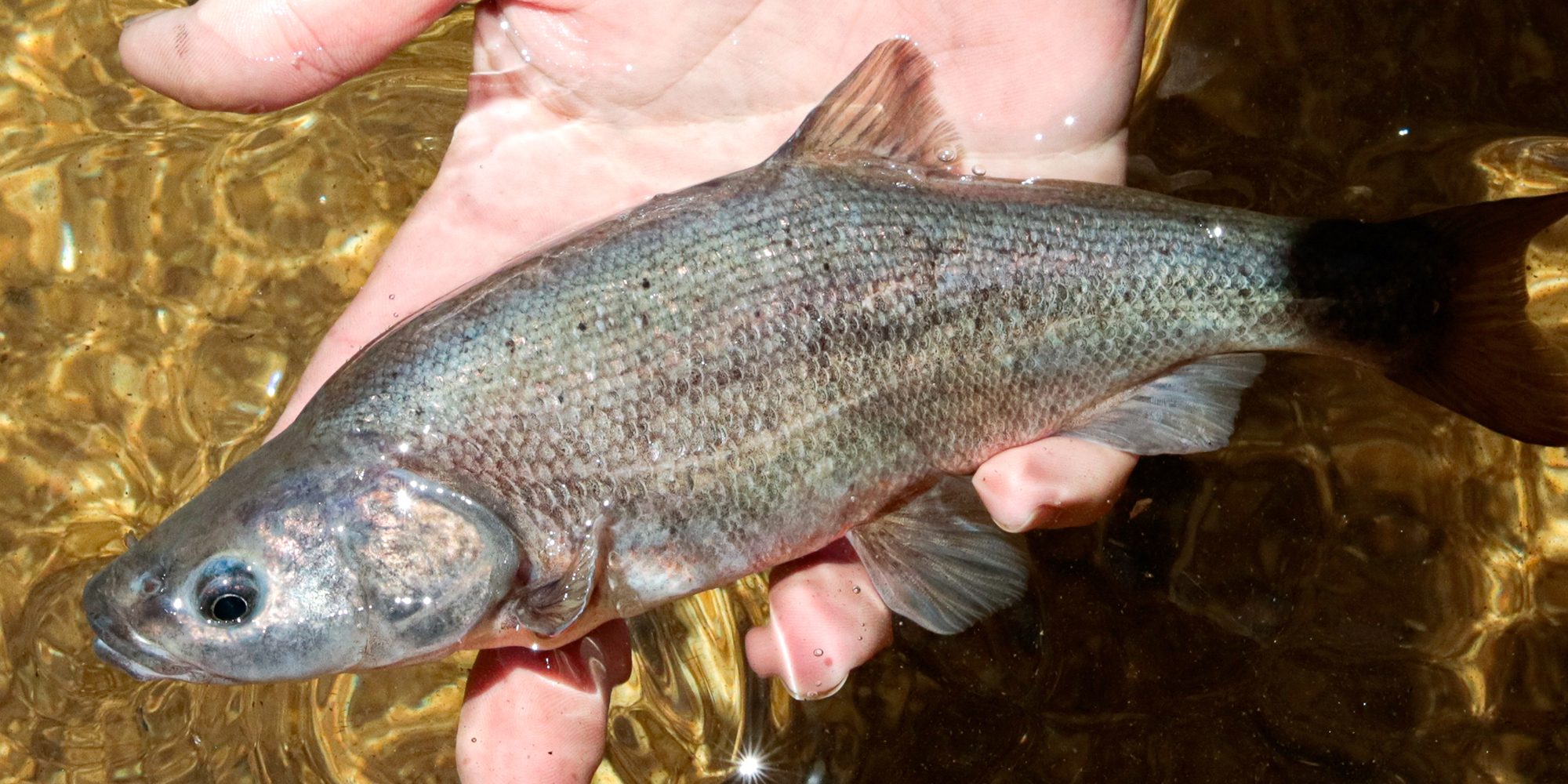
Gila Chub
|
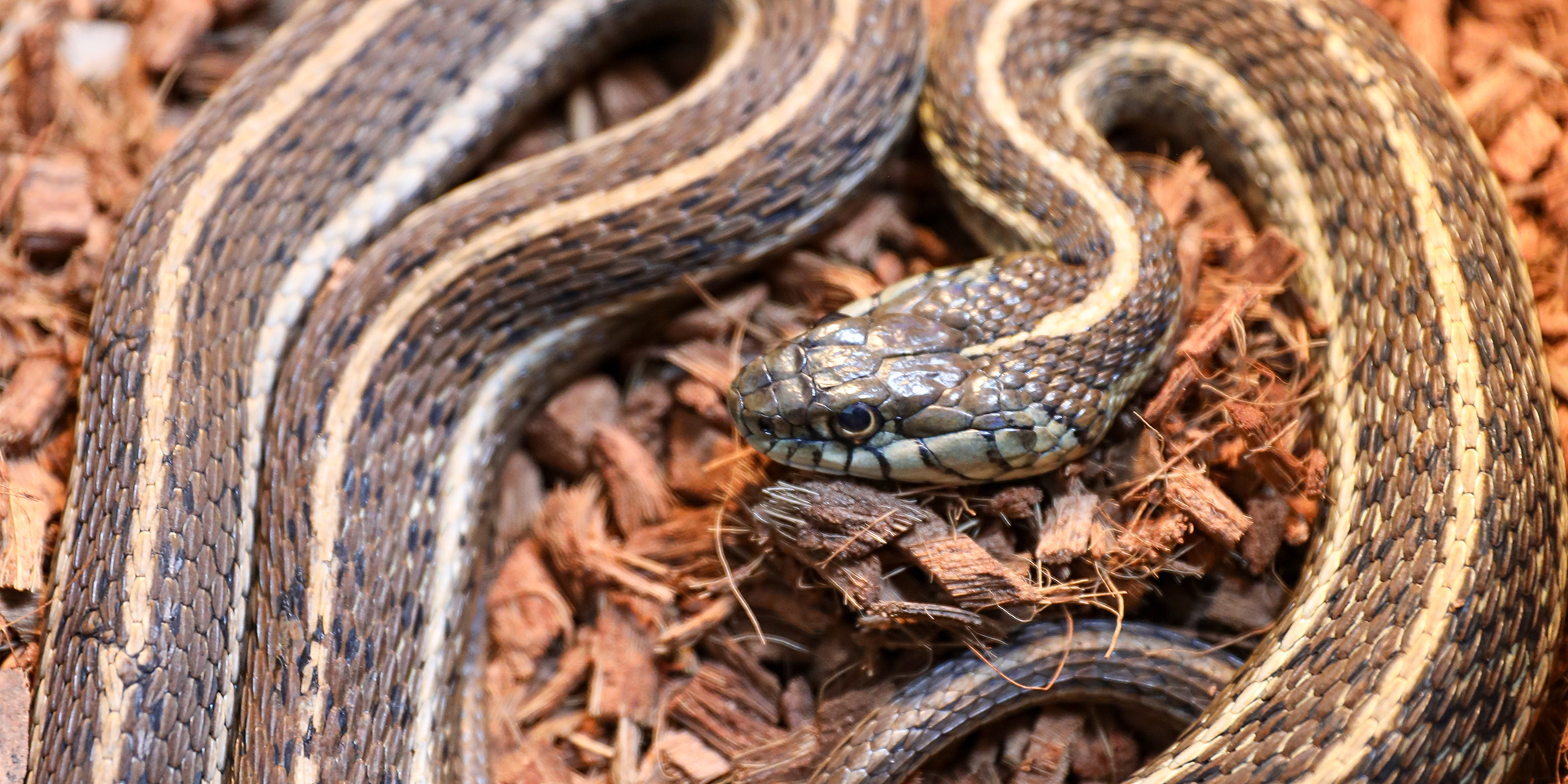
Mexican Gartersnake
|
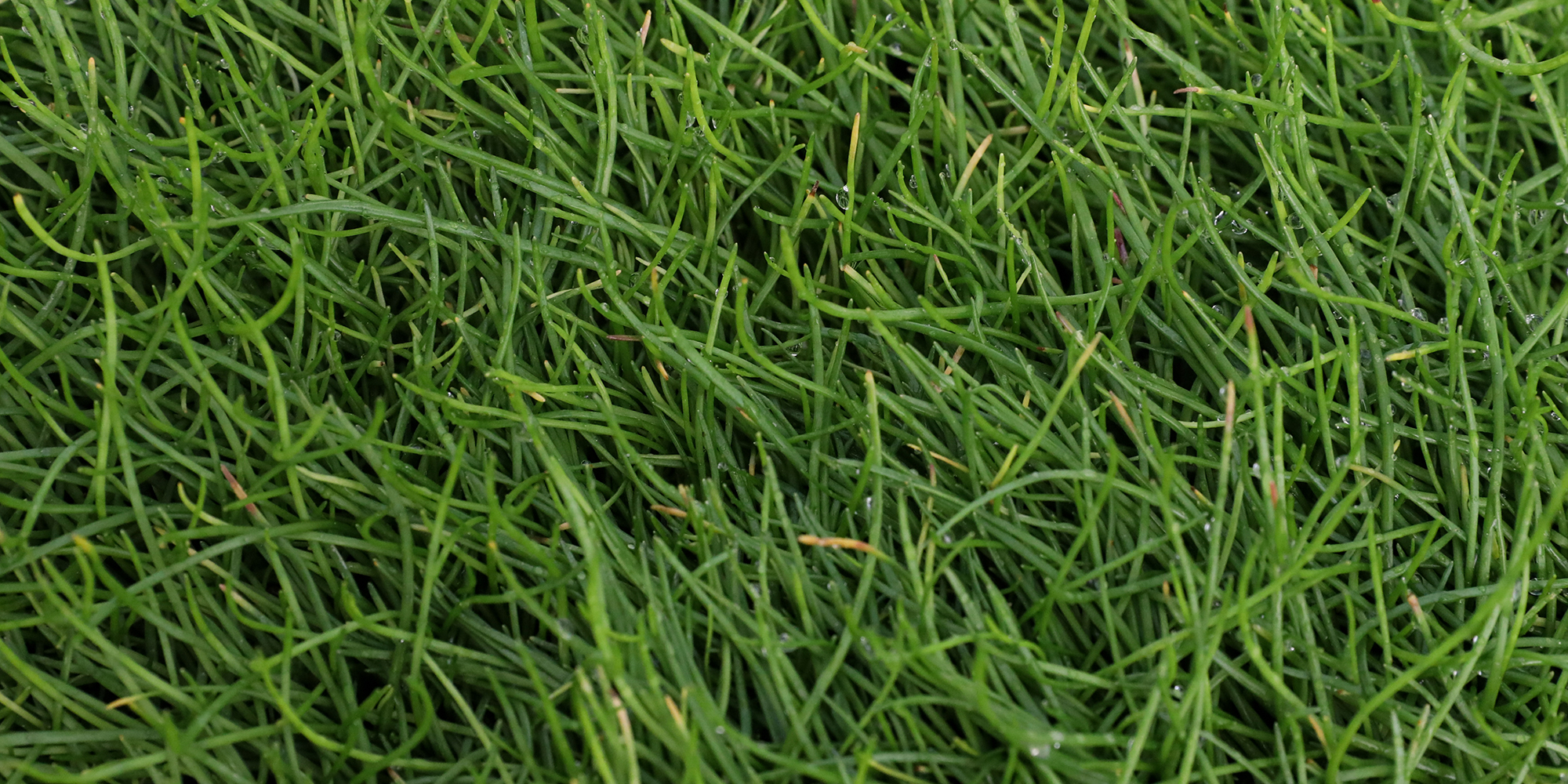
Huachuca Water-Umbel
|
Water is Life Mural
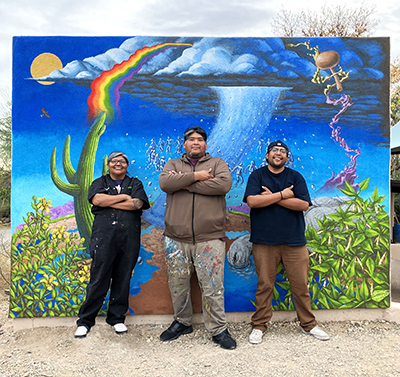
Many thanks to the Tohono O'odham artists who made our beautiful new murals:
- Dwayne Manuel
- Dwayne Manuel has been drawing since childhood. Although he was introduced to the art of drawing by family members, the main creative influence in his upbringing was his mother Alice Manuel, who was a traditional O'odham basket maker. Through childhood, adolescence, and adulthood, it was the need for drawing that would continuously sketch a future in the arts for Dwayne Manuel. Attending Scottsdale Community College led him to earning his Bachelor’s of Fine Arts from the prestigious Institute of American Indian Arts in Santa Fe, New Mexico, followed by a Master of Fine Arts from the University of Arizona. Manuel now teaches painting and drawing at the Tohono O'odham Community College in Sells, Arizona and Phoenix. In his professional art career, Dwayne has collaborated, exhibited, and been commissioned by countless notable organizations such as Heard Museum, Tucson Museum of Art, Nike, and the Amerind.
- Derrick Gonzales
- A Native of Tohono O'odham, Pascua Yaqui, and Piipaash tribes, Derrick considers himself a student of life. Currently attending Tohono O'odham Community College studying science in the field of public health, he is influenced by the natural world and carries this into his art. Combining art and science with his perspective of being an indigenous individual, his work showcases the connection we have with every living thing.
- Seneca Ortega
- Seneca Ortega is a mixed media artist from the village of “Gahk-ka” located within the Hickiwan District on the Tohono O'odham Nation. From self-taught to current art student at Tohono O'odham Community College, art has consistently played a vital role in her life.
Water Conservation Tips |
||
|---|---|---|

Harvest rainwater in barrels or cisterns. Collect rain runoff or redirect gutters to plants and trees. |

Remove invasive species, such as buffelgrass and Bermuda grass. Invasive plants outperform native plants for nutrients and cause other threats, like being highly flammable. |

Plant drought-tolerant species. (Choosing a low-water-use plant save up to 550 gallons of water each year.) |
Plant native species. (Can generally survive on rainfall.) |
Pruned plants use water more efficiently. Weed regularly to reduce competition for sunlight, nutrients, and water. |

Water in the early-morning or late-evening to reduce evaporation. |